
The digital out of home market size once stood at USD 20.7 billion* (approximately ₹1.97* lakh crore) in 2024, but as of now, it is estimated to reach USD 26.5 billion* (approximately ₹2.52* lakh crore) in 2026, & is projected to reach USD 39.1 billion* (approximately ₹3.71* lakh crore) by 2030 at a CAGR of 10.7%*, according to the Grand View Research. This trajectory makes digital out-of-home one of the main and fastest-growing segments that falls under the broader advertising market globally.
How Big Is the DOOH Advertising Market Right Now?
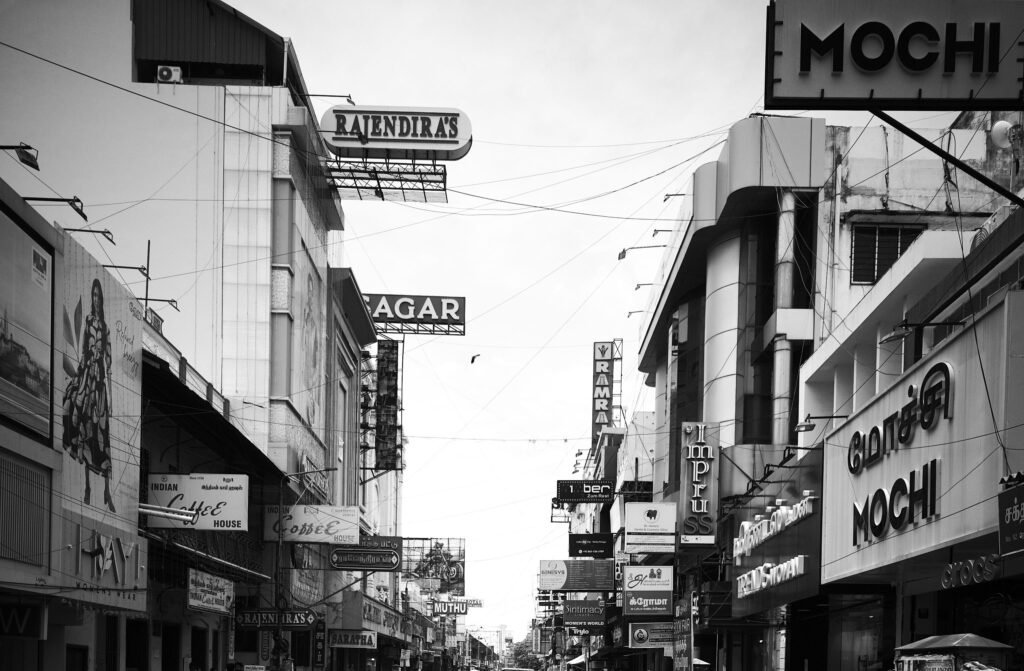
The DOOH advertising market size as of this year is estimated around 26.5 billion*(approximately ₹2.52 lakh crore), which is a very meaningful jump in the last two years and is driven by accelerating deployment of digital screens in mostly urban, transit and retail environments and areas.
The growth this year essentially puts digital out-of-home advertising firmly in the growth tier of global digital media spend and it outpaces many traditional formats, closing the gap with digital advertising
What Is Driving Market Growth?
The growth of digital out of home market size is basically being driven by several converging factors like rapid urbanization, quick expanding digital signage networks, as well as the rise of programmatic digital buying. All these three are the main driving engines according to Grand View Research.
The key growth drivers include:
- Urban digital infrastructure: Meaning smart city projects and public-private partnerships, which are accelerating the deployment of connected digital screens in transit hubs, highways, public spaces, etc.
- Programmatic DOOH: Automated buying and selling of DOOH inventories also are very quick in attracting digital advertising budgets that once stayed in online channels only.
- Data-driven Advertising: This is the ability to deliver personalized advertising that is based on real-time audience data. This has made digital OOH significantly more attractive to performance-focused buyers.
- Interactive Advertising Formats: These offer full-motion video animation and contextual triggers which are increasing engagement rates versus traditional out-of-home advertising.
- Adoption of Digital Signage: This adoption in new environments like retail stores, gyms, airports as well as cinemas are now expanding the market size addressable by place-based DOOH advertising.
At this rate the market is expected to maintain a 10.7%* percent CAGR through 2030 which makes it one of the most reliable growth stories in the advertising industry as of now.
How Is the Market Segmented?
| Format | Position | Growth Outlook |
| Billboards | Largest revenue share | Strong: Urban expansion, LED upgrades |
| Street Furniture | Significant share | Steady: City infrastructure investment |
| Transit & Transportation | Growing | Fast: Digital transit screen rollout |
| Place-Based Media | Smallest current share | Fast CAGR: Contextual targeting advantage |
What Does Programmatic DOOH Mean for the Market?
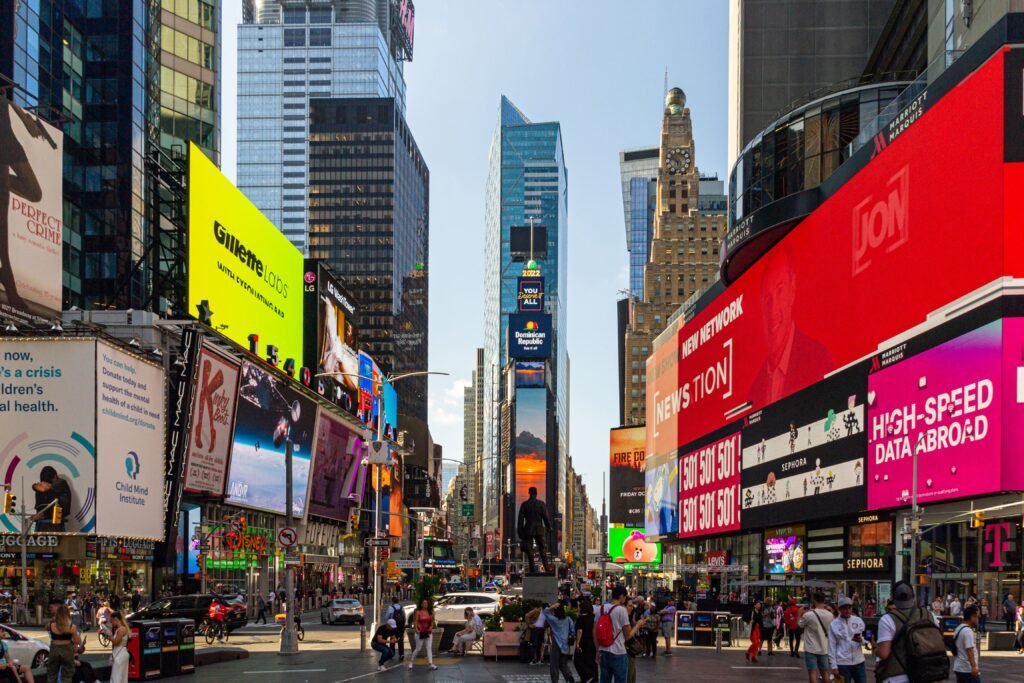
Programmatic digital out-of-home advertising is now reshaping how DOOH inventory is bought and sold. Rather than negotiating on certain fixed placements, advertisers can now easily buy programmatic DOOH impressions via automated platforms, by the usage of audience data, time triggers, real-time conditions, and much more.
This type of shift is bringing digital out-of-home into the same advertising ecosystem as online channels, which is enabling cross-channel advertising campaigns that sequence both DOOH exposure with digital retargeting.
The integration of digital buying infrastructure with physical screen networks has become one of the primary reasons why the market is experiencing such sustained investment from both advertising company operators as well as technology providers.
Programmatic advertising in DOOH is still a smaller share of the total DOOH spend than in online media. However, market growth rate in this segment is gradually outpacing the broader market. Intelligence reports are now consistently suggesting programmatic as the single biggest structural change that is underway in the out-of-home advertising market.
Is Traditional Out-of-Home Advertising Still A Good Option in the Growing DOOH Landscape?
It is important to note that traditional out-of-home advertising is still a very beneficial option even in the world where digital advertising methods are bringing great ROI to many.
Traditional out-of-home advertising which often includes static billboards, printed posters, painted wallscapes and more still remains a very important part of the out-of-home advertising market as it offers long-term brand presence, lower cost per impression in certain markets, and simplicity of the entire ad execution.
However, the key difference between digital and traditional formats comes down ultimately to flexibility and measurement.
- Digital OOH allows creative updates without print productions but offers real-time figures and impression-level data.
- Traditional out-of-home advertising, on the other hand, offers sustained presence over a fixed period of time without the operational complexity of screen network management.
Both of the methods sit within the broader advertising landscape and the most effective advertising strategy for large brands is typically to combine static billboards for sustained awareness along with digital display for contextual precision.
Also Read: Billboard Advertising Design Ideas That Actually Work
Conclusion
The digital out of home market size is on a confirmed growth trajectory and is driven by a programmatic dooh, urban digital infrastructure investments along with the expanding adoption of digital signage into new environments as well as verticals.
The advertising market for DOOH is no longer small or niche, rather, it has become a mainstream channel attracting a significant global market investment from several brands, agencies and infrastructure operators. For brands that are actually trying to build advertising campaigns which work in the real world, their modern advertising strategy increasingly requires a DOOH component.
Using diverse advertising formats along with real-time data integration and measurable market growth can make the case for outdoor investment more compelling than at any previous point.
At Selvel One, we operate at the heart of this shift in the country, connecting brands to high-impact outdoor advertising inventory & digital OOH networks all across the major markets. Contact us today to know how we can best fit your next campaign idea.
FAQs
What is digital out of home marketing?
Digital out of home marketing or DOOH marketing can be explained as a type of advertising that is delivered on digital screens in public spaces like billboards, transit panels, retail screens, street furniture and much more.
How big is the digital signage industry?
The global digital out-of-home advertising market is estimated to reach around 26.5 billion* (approximately ₹2.52* lakh crore) in 2026 and is projected to reach around 39.1* billion (approximately ₹3.71* lakh crore) around 2030 according to Grand View Research.
What is actually driving the growth of the DOOH market?
The primary growth drivers of the DOOH market include rapid urbanization which is expanding the number of digital screens in public spaces, the increase of programmatic buying bringing digital advertising budgets right into outdoor channels as well as the increasing adoption of data-driven targeting that can now allow advertisers to deliver contextually relevant messages that are actually based on consumer locations, time of the day & audience signals.