
The way brands are now buying and displaying outdoor ads has changed greatly in the last few years. With the arrival of programmatic OOH advertising, the whole out-of-home advertising format has transitioned from a manual relation-driven process into a data-led automated discipline. If you are still thinking of outdoor advertising as a static, long lead time channel, then this article is worth reading.
What Is Programmatic OOH Advertising?
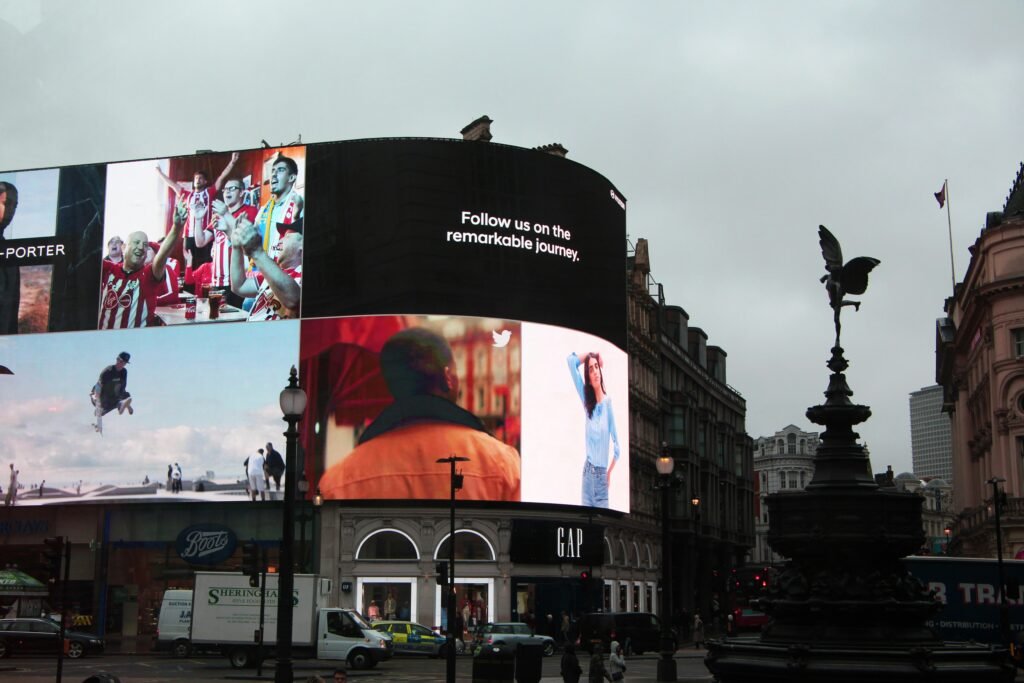
So what exactly is Programmatic OOH ad? It is an automated buying and selling of digital out of home inventory with the usage of software, real-time bidding logic, audience data and much more.
Instead of negotiating directly with media owners for fixed time slots on fixed screens, advertisers can now use a platform in order to define their audience, budget, objectives, etc. The entire system handles placement automatically. It works like an online advertisement but in the physical world.
How Programmatic OOH Works?
So, how exactly does programmatic ooh advertising work?
- A brand or agency logs into a platform and then sets campaign parameters like the location, audience, segment, time of the day, budget and the creative.
- The platform then matches those parameters against all the available DOOH screens – across connected media owners.
- Inventory is bought automatically – either it is done through real-time auctions or pre-negotiated programmatic deals.
- Real-time data feeds like weather, footfall, traffic and even social trends can trigger or suppress ad delivery.
- The ooh ad goes live on relevant screens without any manual insertion orders or lengthy lead times.
This is fundamentally different from traditional OOH buying where a brand generally has to commit to a fixed screen or a fixed period of time regardless of who’s actually standing in front of it.
Programmatic DOOH vs Traditional OOH Advertising
Traditional OOH advertising tends to involve booking specific screens or other panels for defined periods of time – for example, weeks or months. It requires a direct negotiation with media owners, manual creative trafficking and limited flexibility once booked.
Right on the other hand, digital programmatic systems tend to offer precision & agility that traditional outdoor campaigns often lack.
Programmatic DOOH inverts that model.
- OOH buying becomes impression-based rather than time-based.
- The creative can be updated instantly across all active screens.
- Your campaigns can be easily paused, extended or redirected in real time.
- The advertising spend is optimized continuously against performance limits.
The result is an advertising landscape where OOH and DOOH work together seamlessly.
Benefits of Programmatic OOH
Programmatic OOH offers a wide range of advantages that traditional advertising cannot simply match.
Audience Targeting at Scale
This means using data from mobile location signals, demographic profiles and behavioral patterns in order to teach the right people at the right moment. Programmatic OOH offers targeting that tends to work well beyond geography.
Real-Time Flexibility
A DOOH campaign can easily respond to real-time data triggers. For example, they can show a hot drinks ad when the temperature drops, a traffic update when congestion peaks or retail promotion when footfall spikes. Time of the day targeting means a morning commuter sees a different message when compared to a late night traveler.
Efficiency for Advertisers
Programmatic buying eliminates waste because advertisers pay for impressions delivered to relevant audiences rather than for panel time that may or may not align with the marketing strategies.
Creative Agility
OOH creative can easily be swamped, tested & optimized mid-flight, any time of day. A brand running programmatic DOH campaigns across a city can AB test messaging across DOOH screens without reprinting anything.
Impact of Programmatic on the OOH Industry
The impact of programmatic advertising on the broader OOH industry has never been more significant.
- Media owners are now starting to invest heavily in building DOOH screens infrastructure in order to participate in the programmatic ecosystem. The advertising industry now has a mechanism to trade OOH advertisements alongside digital inventory in a unified manner.
- Advertising environments that were once sold exclusively through direct relationships in airports, transport hubs and retail centres are now increasingly accessible programmatically.
- OOH buyers who previously needed local market expertise along with long lead times can now easily activate digital OOH globally all through a single platform.
Investing in programmatic infrastructure is no longer optional for people who are serious media owners. It has now become how the modern advertising economy works. The value of OOH as a channel has not diminished.
If anything, programmatic technology has now given more value to it by making OOH advertising accountable, flexible and more integrated with the digital advertising strategies.
Conclusion
Programmatic digital OOH advertising is not just a niche tactic anymore, because it has now become a predominant method for activating digital out-of-home at speed and scale.
Programmatic ad buying effectively brings the accountability of digital advertising to the -brand-safe, high attention environment of the outdoor media.
For advertisers who are still running traditional OOH advertising without a programmatic OOH advertising component in their mix, will not grow at scale. Programmatic campaigns are faster to launch, easier to optimize and increasingly measurable in ways that traditional outdoor never was.
At SelvelOne, we have been at the forefront of the OOH industry for decades. As the programmatic technology reshapes how the advertising landscape works, we bring both infrastructure and expertise to help brands leverage Programmatic OOH effectively across transit, retail and even large format outdoor environments. Contact us today to know what we can do for your next campaign.
Frequently Asked Questions
1) What is the main difference between programmatic OOH & traditional OOH?
Traditional OOH is typically known to involve manual booking of fixed panels for set periods – but on the other hand, when it comes to programmatic OOH, it tends to use automated platforms to buy digital screen impressions in real time based on data & audience signals.
2) Does one need a large budget in order to run programmatic DOOH campaigns?
No, programmatic buying allows flexible spend levels, as well as impression-based pricing. This means smaller budgets can also easily gain access to premium digital OOH screens.
3) How can programmatic OOH be truly integrated with digital advertising campaigns?
Yes they can be. This is because programmatic DOOH platforms can easily be connected with broader digital media strategies. This basically allows brands to retarget audiences as well as synchronise messaging across online as well as outdoor channels – all at the same time.